Which Channels Actually Move Volume When You're Distributing Stainless Steel Tumblers
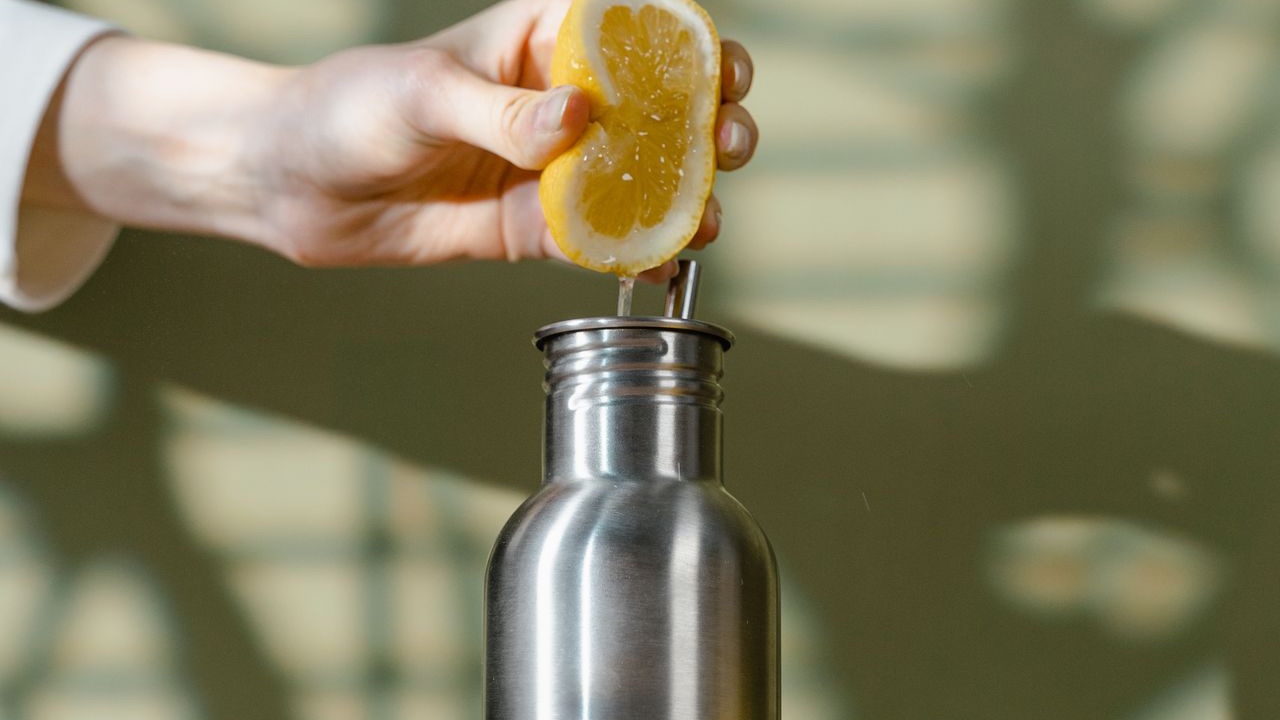
Not every sales channel works the same way for every product, and stainless steel tumblers are a good example of that. The product is versatile enough that it shows up in corporate gift catalogs, outdoor gear stores, coffee shop merchandise displays, and Amazon storefronts — but the dynamics of each channel are different enough that treating them all the same is how distributors end up with stagnant inventory in some places and stockouts in others.
Here’s how I think about each of the main channels, based on what actually moves and what doesn’t.
Corporate and Promotional Gifting Is the Highest-Volume Channel, but It Requires Lead Time
Corporate gifting — companies ordering branded tumblers for employee recognition, client gifts, conference swag, or event giveaways — is the channel where volume is most concentrated and order sizes are largest. A single corporate client placing a 2,000-unit order for a company event represents the kind of volume that takes months to replicate through retail.
The catch is that corporate buyers operate on their own timelines, and those timelines don’t always match distributor inventory cycles. Orders often come in 4-6 weeks before the event date, with logo customization requirements that add another 1-2 weeks on top. As a distributor, the way to capture this channel consistently is to have blank inventory available for rapid customization turnaround, rather than waiting for orders to place upstream. Buyers who have to wait 10 weeks for product will find someone who doesn’t.
The other thing corporate buyers care about that retail buyers don’t is unit consistency. A company ordering 500 tumblers for client gifts needs every unit to look identical — same color, same finish, same print placement. This means sourcing from suppliers whose production consistency you’ve verified over multiple orders, not just a single sample.
Outdoor and Sports Retail Has Loyal Customers but Specific Product Requirements
Outdoor and sporting goods retailers — whether independent outdoor shops or larger chains — move tumblers as part of a broader gear ecosystem. Their customers are buying hydration products alongside sleeping bags, hiking boots, and camp stoves, and they have specific expectations about product specs: vacuum insulation rated for 24+ hours, wide-mouth openings compatible with standard filter systems, durable powder coat finishes that hold up to real use.
This channel is worth pursuing if you can source products that meet the actual performance requirements, not just products that claim to. The outdoor retail buyer is typically more sophisticated than a corporate procurement officer when it comes to evaluating product specs, and they’ll push back if you’re selling a mediocre product in premium-looking packaging.
Volume in this channel builds more slowly than corporate gifting — you’re building placement in stores, then waiting for sell-through before reorders. The upside is that successful placements create ongoing reorder relationships with relatively predictable cadence, and outdoor retail customers tend to become brand-loyal repeat purchasers if the product performs.
Food Service and Café Merchandise Is Often Overlooked
Coffee shops, cafés, and quick-service restaurants increasingly merchandise branded tumblers and water bottles as a revenue stream and a branding tool. The customer who buys a coffee there every morning is a natural target for a branded tumbler that reinforces the café’s identity and reduces single-use cup consumption.
This channel typically operates on smaller order quantities than corporate gifting — a single café location might order 50-100 units per SKU — but a distributor working with 20 café accounts has more predictable ongoing volume than one relying on occasional large corporate orders. The customization requirements are similar (logo, colorway), but the timelines are more relaxed because café merchandise restocks aren’t event-driven.
The entry point is usually a sample conversation with the café owner or manager, which means the distributor’s sales process is relationship-based rather than RFP-based. It takes longer to build but the relationships, once established, are sticky.
Online Retail Requires Margin Discipline
Selling through online platforms — whether a distributor’s own DTC site or established marketplaces — works for stainless steel tumblers, but the margin math is different from B2B channels. Platform fees, return rates, and the cost of product photography and listing management eat into margins that look fine at wholesale prices.
The distributors who make this channel work usually focus on product differentiation that justifies a premium — a color range that’s distinctive, a size lineup that covers gaps in what the major brands offer, or a customization option (engraving, color-match lids) that adds perceived value. Competing on price in online retail against the established brands is a losing strategy for a distributor without the volume to operate on thin margins.
Matching Channel to Inventory Strategy
The channel mix matters because different channels have different lead time and inventory requirements. As a tumbler wholesale distributor, leaning heavily into corporate gifting means carrying blank inventory ready for decoration, which ties up capital but shortens fulfillment timelines. Leaning into outdoor retail means carrying finished product in SKUs that match what retailers are looking for, which requires more accurate demand forecasting. Food service can be served with smaller, more frequent orders that don’t require as much forward inventory commitment.
Most distributors don’t succeed in all four channels simultaneously — the operational requirements are different enough that focusing on one or two channels and building depth there is more effective than spreading effort across all of them thinly.