Stainless Steel vs. Plastic Lunch Boxes When Buying in Bulk: It's Not Just a Material Question
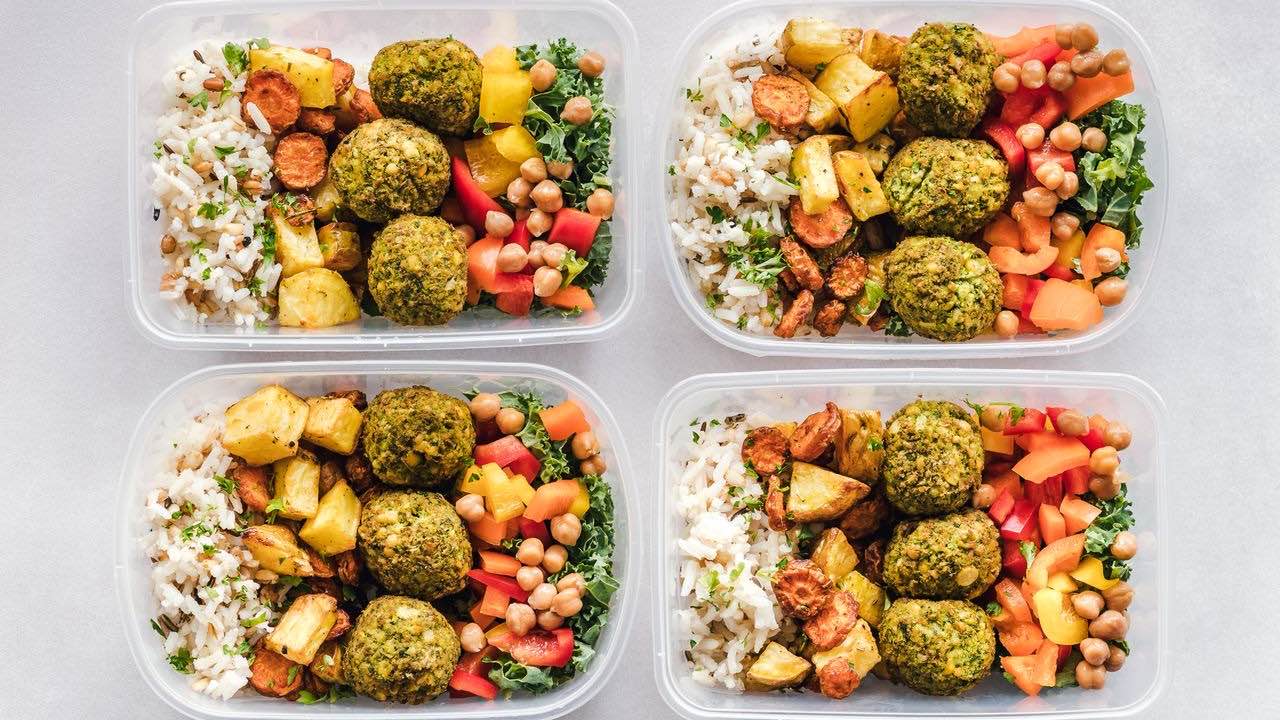
Choosing between stainless steel and plastic lunch boxes for a bulk order sounds like it should be straightforward — one is metal, one is plastic, pick based on what your customers want. But the decision actually involves a set of tradeoffs that affect everything from your landed cost to your customer return rate, and the right answer genuinely depends on who’s buying and how they’re using the product.
Here’s how I think through the comparison when evaluating a bulk order.
Weight and Portability Change the Calculus Depending on the End User
A stainless steel lunch box with double walls and a proper seal weighs noticeably more than its plastic equivalent. For an adult commuter who carries a bag and doesn’t mind the weight, that’s a non-issue. For a child carrying a school bag, or someone who walks significant distances with their lunch, the difference is real enough to affect whether the product gets used.
Plastic lunch boxes — particularly polypropylene variants — are light enough that most users don’t think about them when packing their bag. The tradeoff is that they don’t insulate as well, and they’re more likely to absorb odors and stain after repeated use with strongly flavored foods.
For bulk orders targeting school programs, workplace wellness initiatives, or general retail where the end user is unknown, this is worth thinking about before finalizing the spec. A heavy, high-quality stainless box that ends up being left at home because it’s too heavy to carry defeats its own purpose.
Dishwasher Compatibility Is a Bigger Commercial Factor Than Most Buyers Realize
Single-wall stainless steel lunch boxes are fully dishwasher safe. Vacuum-insulated stainless boxes are usually not — the high heat and harsh detergents in commercial dishwashers can compromise the vacuum seal over time, and most manufacturers recommend hand washing.
Plastic lunch boxes made from polypropylene are dishwasher safe in the top rack, though repeated high-heat cycles will eventually warp some designs.
For bulk orders going into institutional settings — corporate cafeterias, school meal programs, catering operations — dishwasher compatibility determines whether the product is actually usable in their workflow. An insulated stainless box that can’t go through the commercial dishwasher will create a workflow problem that ends with the product being discarded. For those contexts, either single-wall stainless or food-safe plastic is the practical choice.
Customization Difficulty Is Different for Each Material
Plastic lunch boxes are easier and cheaper to customize for lower MOQs. Injection molding allows custom shapes, custom colors integrated into the material itself, and custom lid mechanisms at relatively low tooling cost per unit once the mold is made. The mold tooling cost upfront is significant, but for buyers with volume commitments, it’s amortized quickly.
Stainless steel customization typically involves surface treatment — laser engraving, powder coat color, screen printing, or pad printing on the outer surface. The unit cost of customization is higher per piece than molding color into plastic, but there’s no tooling investment for the mold, and minimum quantities for surface customization are generally lower.
For buyers who need a fully custom shape or a specific lid mechanism design, plastic requires more upfront investment but gives more design freedom. For buyers who want logo customization on an existing product form, stainless is faster to market with less upfront cost.
Price Sensitivity of the End Market Sets the Floor
At equivalent quality levels, stainless steel lunch boxes cost more than plastic ones. The question is whether your end market will support that price difference at retail.
Corporate gifting markets accept a higher price point and tend to favor stainless steel for its perceived quality and durability. Consumer retail at mass market price points favors plastic because the visible price difference is large enough to affect purchase decisions when the products are sitting side by side on a shelf. Premium consumer retail and direct-to-consumer channels can support stainless pricing if the branding and positioning justify it.
For lunch box manufacturer relationships, this means specifying the right material for the market before the order — because switching from stainless to plastic mid-relationship involves changing suppliers, tooling, and the entire product validation process.
What to Actually Ask Before Deciding
Two questions that cut through most of the ambiguity: Who is the end user, and where will the product spend most of its life?
A product used daily by adults in an office context, carried in a bag, stored at a desk, and hand-washed at home is a good candidate for insulated stainless — the weight is manageable, the insulation is valuable, and the user will care for it properly. A product distributed to students, used in a cafeteria setting with institutional washing, or sold at a price point where the buyer is primarily comparing sticker prices is a better candidate for durable food-safe plastic.
The material choice follows the use case, not the other way around.