Tritan, PP, or Stainless Steel: Choosing the Right Shaker Bottle Material for Bulk Orders
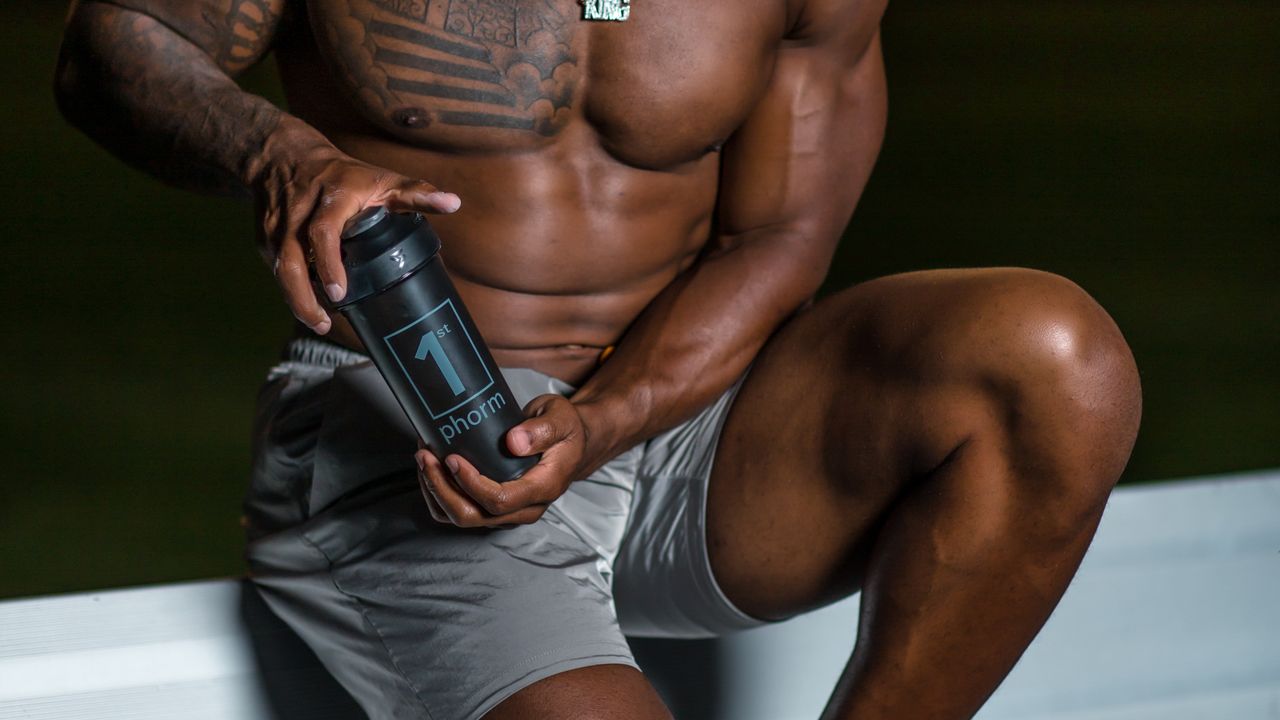
The shaker bottle market has three dominant material categories, and each one handles the specific demands of a shaker — protein powder, repeated shaking, daily washing, and regular drops — differently enough that the choice has real consequences for programs buying at volume. The tradeoffs show up in transparency, odor retention, dishwasher durability, and what happens to the bottle after six months of daily use.
This isn’t a question with a universal answer. The right material depends on the use case, the washing environment, and what the buyer prioritizes in terms of service life versus per-unit cost.
What shaker bottles ask of their material
A shaker bottle has a specific set of demands that general drinkware doesn’t. The mixing action — shaking with powder and liquid — puts mechanical stress on the walls and lid. Protein powders and pre-workouts contain compounds that stain and leave odors, particularly in unflushed residue. The bottle gets used immediately after workouts when it’s often left in a bag for hours before washing, which accelerates odor absorption. And it gets washed frequently — often daily, sometimes in a commercial dishwasher at a gym or sports facility.
A material that handles general beverage use well may not handle this specific combination of chemical exposure, mechanical stress, and washing frequency over a service life of a year or more.
Tritan: the transparency option
Tritan is a copolyester developed specifically for drinkware applications requiring clarity, impact resistance, and chemical durability. It’s the material behind most premium clear plastic shaker bottles, and it offers a combination of properties that commodity PP doesn’t match.
The transparency advantage is genuine. Tritan maintains clarity after repeated dishwasher cycles in a way that standard polypropylene doesn’t — PP tends to cloud and develop surface haze over time under high-temperature washing. For retail products where appearance after months of use matters, or for branded programs where the bottle needs to look good throughout its service life, Tritan holds up visually where PP doesn’t.
Odor and stain resistance is better than PP but not as good as stainless steel. Tritan is less porous than standard PP and absorbs fewer compounds from protein powders and flavored supplements, but it’s not entirely immune — bottles used heavily with strongly flavored pre-workouts will eventually develop some retention, particularly if the bottle isn’t rinsed promptly after use. Proper care (rinsing immediately, washing daily) keeps Tritan performing well for a year or more. Neglect accelerates the decline faster than it would with stainless.
The practical limitation for bulk buyers is cost. Tritan resin is significantly more expensive than commodity polypropylene, and that difference flows through to the per-unit price. For programs where the bottle is a one-time branded giveaway, that cost premium may not be justified. For programs where the bottle is meant to be used daily for a year or longer — gym membership benefits, long-term employee wellness programs — the durability difference makes the cost gap more defensible.
Tritan is BPA-free and passes standard food-contact regulatory requirements. It’s dishwasher-safe, though top-rack washing at lower temperatures preserves appearance better than bottom-rack high-heat cycles over the long term.
PP (polypropylene): the volume economics option
PP dominates the value segment of the shaker bottle market because it’s inexpensive, lightweight, and available in a wide range of configurations. For programs where the economics of per-unit cost are primary — large-scale promotional giveaways, single-event distributions, programs with high loss rates — PP’s price point is its main argument.
The functional compromises are real and predictable. PP is more porous than Tritan or stainless, which means it absorbs odors and flavors from repeated use with protein powders, BCAAs, and pre-workouts. After several months of daily use with strongly scented supplements, PP shaker bottles develop a background odor that washing doesn’t fully remove. Users adapt to it; it’s not a safety issue; but it affects the perceived quality of the bottle over time.
Dishwasher durability is variable depending on the PP grade. Commodity PP at high wash temperatures warps, develops surface haze, and loses dimensional accuracy at the lid seating surface — which affects how well the lid seals over time. Higher-grade PP formulations with improved temperature resistance hold up better, but at a cost premium that narrows the gap with entry-level Tritan.
For bulk shaker bottles in a gym retail context — where the bottle is sold at a price point where replacing it every few months is an expected part of the product cycle — PP makes economic sense. For programs where the bottle is meant to represent a brand over an extended period, the visible degradation in appearance after six months is worth factoring in.
One genuine advantage of PP beyond cost: it’s lighter than stainless at equivalent capacity, which matters for athletes who travel and care about pack weight. And the wide range of available colors in PP is broader than what’s practical in Tritan, which has some formulation constraints on deep or opaque colorways.
Stainless steel: the durability option
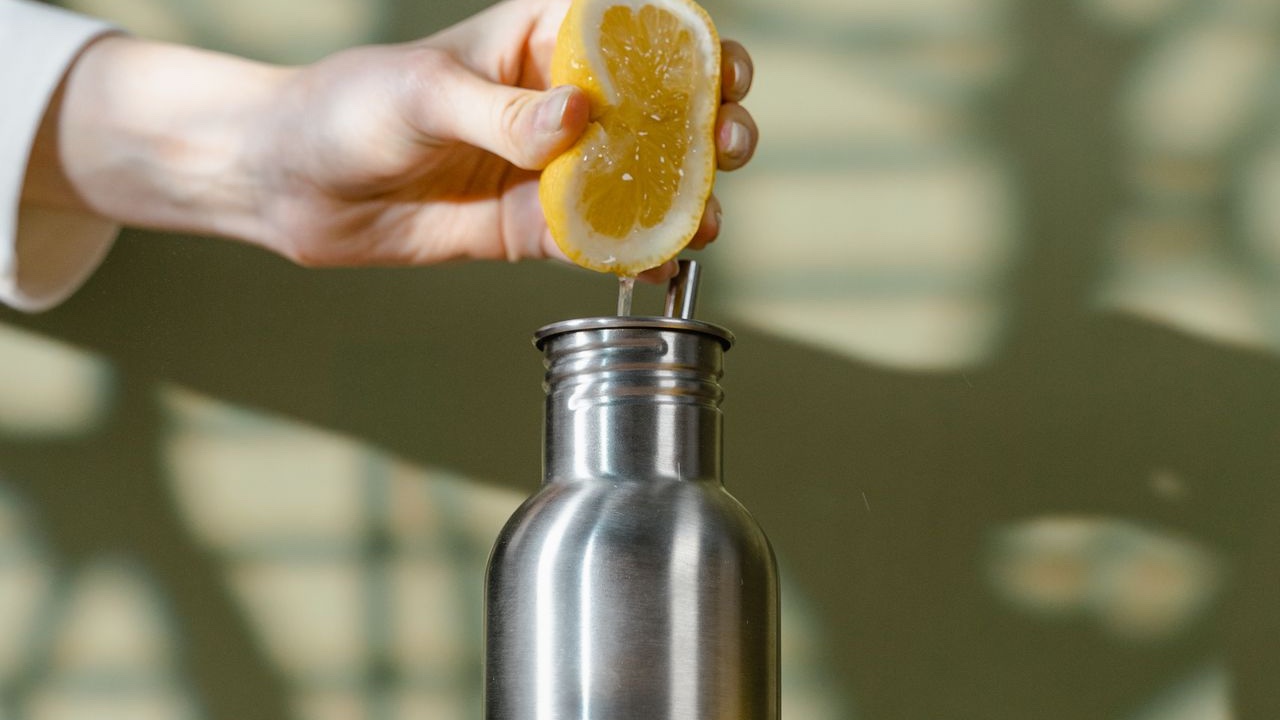
Stainless steel shaker bottles occupy a different position in the market — they’re heavier, more expensive, opaque, and in several ways better suited to the actual demands of a shaker bottle than either plastic option.
The odor and stain resistance advantage is significant. Stainless steel doesn’t absorb compounds from protein powders or supplements. A stainless shaker bottle washed promptly after use doesn’t develop the background odor that PP does over time, even with heavy use and strongly flavored products. For users who are sensitive to this, or for programs where the bottle will be in service for two or more years, stainless maintains its performance in a way that plastics don’t.
Structural durability is better for drops and rough handling. A stainless shaker bottle dropped on a concrete gym floor dents; it doesn’t crack. PP and Tritan can crack or split on hard drops, particularly at stress points near the lid threads. For gyms, outdoor programs, or any application where bottles will be handled roughly and not carefully babied, stainless has a meaningful durability advantage.
The cleaning behavior is also better in environments where bottles don’t get washed immediately. A stainless bottle with dried protein residue that’s been sitting for 12 hours cleans more thoroughly than a PP bottle in the same condition, because the residue isn’t penetrating the surface — it’s sitting on it.
The tradeoffs are clear. Stainless is heavier — a 28oz stainless shaker weighs noticeably more than the equivalent in PP or Tritan, which some users find unwieldy at the gym. It’s opaque, so users can’t see the fill level or whether mixing is complete without opening the lid. And it’s more expensive per unit, which affects the math for programs where loss rate is a factor.
Stainless is also not microwave-compatible, which matters for some supplement use cases involving heated liquids, though most shaker bottle applications involve room-temperature or cold mixing.
How to match material to program type
The decision simplifies when the use case is specific. A few patterns hold consistently.
Gym retail programs at an accessible price point: PP is the standard choice. The economics work, the product lifecycle matches user expectations, and the per-unit replacement cost is low enough that turnover is manageable.
Premium branded programs where the bottle represents the brand for 12 months or more: Tritan is the better choice over PP. The appearance durability over time — particularly under repeated dishwasher cycles — justifies the cost premium compared to watching a branded bottle cloud and yellow after a few months of real use.
Workforce or high-use daily programs where service life and hygiene performance matter more than initial cost: stainless is the right answer. The absence of odor buildup over sustained use and the structural durability under rough handling make the higher per-unit cost reasonable over a two or three year service life.
Mixed programs where loss rate is high and replacement is expected: PP keeps the per-unit replacement cost low enough to absorb a meaningful loss percentage. For school sports programs, charity event giveaways, or any context where the bottle may not make it back for a second use, the economics favor PP over either premium option.
The buying mistake that creates the most visible problems is purchasing PP at scale for a program intended to represent a brand over an extended period. The degradation in appearance and odor performance is predictable and starts becoming noticeable around the six-month mark under daily use conditions. Running a small batch of samples through six months of realistic use — daily washing, regular supplement use — before committing to a large order makes the material choice concrete in a way that spec sheets don’t.